


India contends a major role in creating the declaration and its progress in achieving these Global Goals are crucial for all the world.
SDGs, also known as Global Goals were created with the intention to replace the MDGs in order to meet the need for sustainable development.

You can't wait for people to join your campaign/purpose for banning the use. Start doing and people will eventually follow.
This blog highlights the importance of SDG 16 "Peace, Justice and Strong Institutions" and what can be done for its better implementation.

Embark on Prachi's climate action journey. Explore her reflections, insights, and actionable steps toward a greener and sustainable future.
Over the years, we have developed a soft corner, a prejudice for our women. However, our law must treat men and women the same.
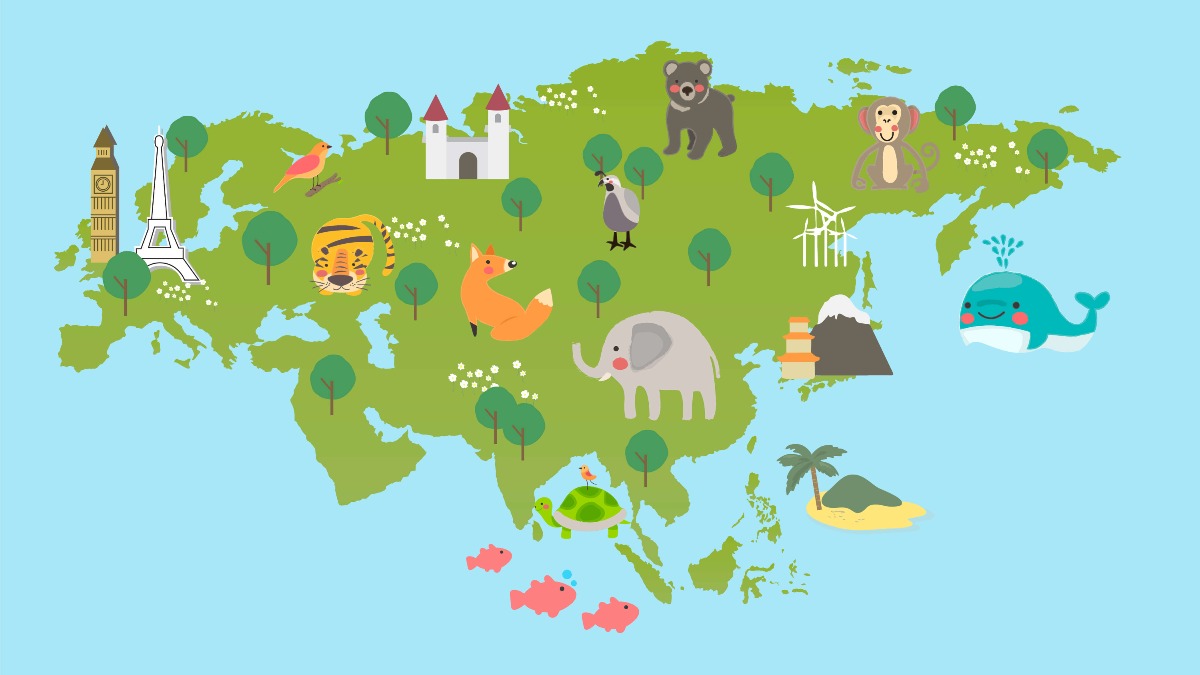
Preserving life on earth and mother nature requires lots of targeted efforts to protect, restore and promote sustainable development.
Through being vocal on pressing issues, Gen Zs have shone a light on apparent problems and as well as hidden problems.

It is vital for the international communities to promote and make progress in sustainable development goals.
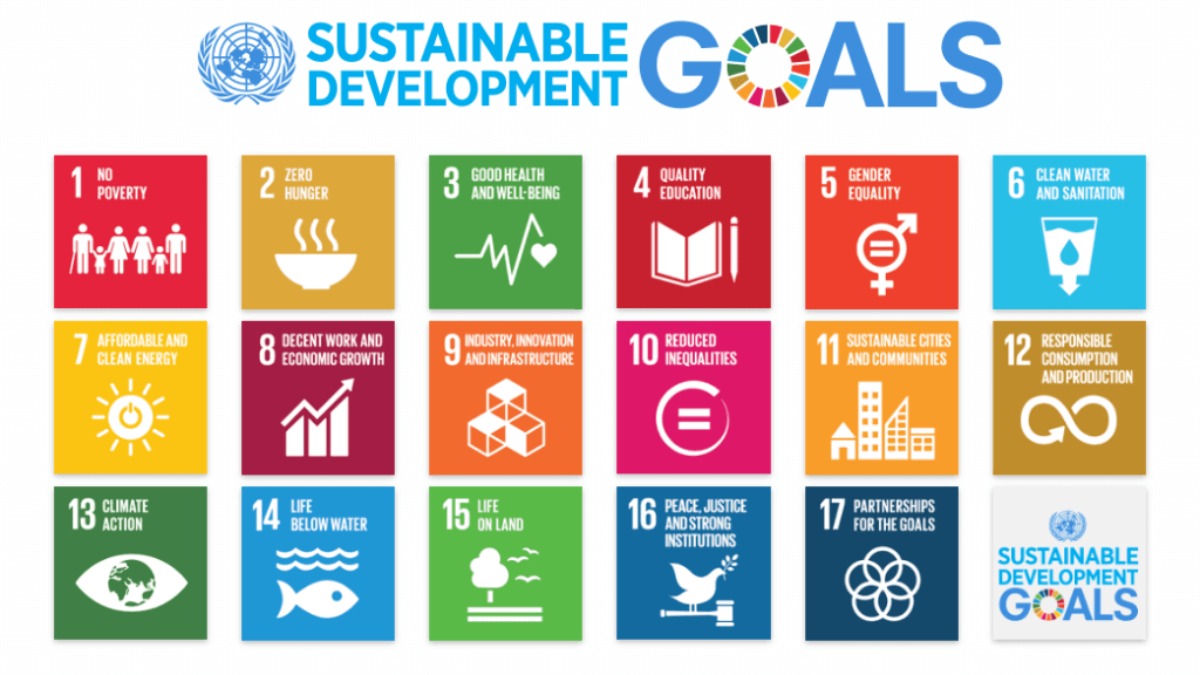
Sustainable Development Goals includes aspects like poverty, inequality, environment degradation, peace and justice and climate change also.
This article talks about sustainability, the Millennium Development Goals (MDGs) and consequently the Sustainable Development Goals (SDGs).
Join Maira on a 21-day journey to embrace a cleaner, greener world. Discover eco-conscious challenges and impactful insights.